

2026 AHA Biennial Conference
“Engaging Humanities, Social Sciences, and Arts Scholarship in Africa:
Milestones and Aspirations”
Three days of exchange, engagement and discovery. Join scholars, teachers and practitioners at the University of Ghana to explore the humanities, social sciences and arts in Africa.
When we gather
9–11 November 2026Where we meet
University of Ghana, LegonOur conversations
Keynote, Plenaries, PanelsPeople shaping the conversation
Featured voices.
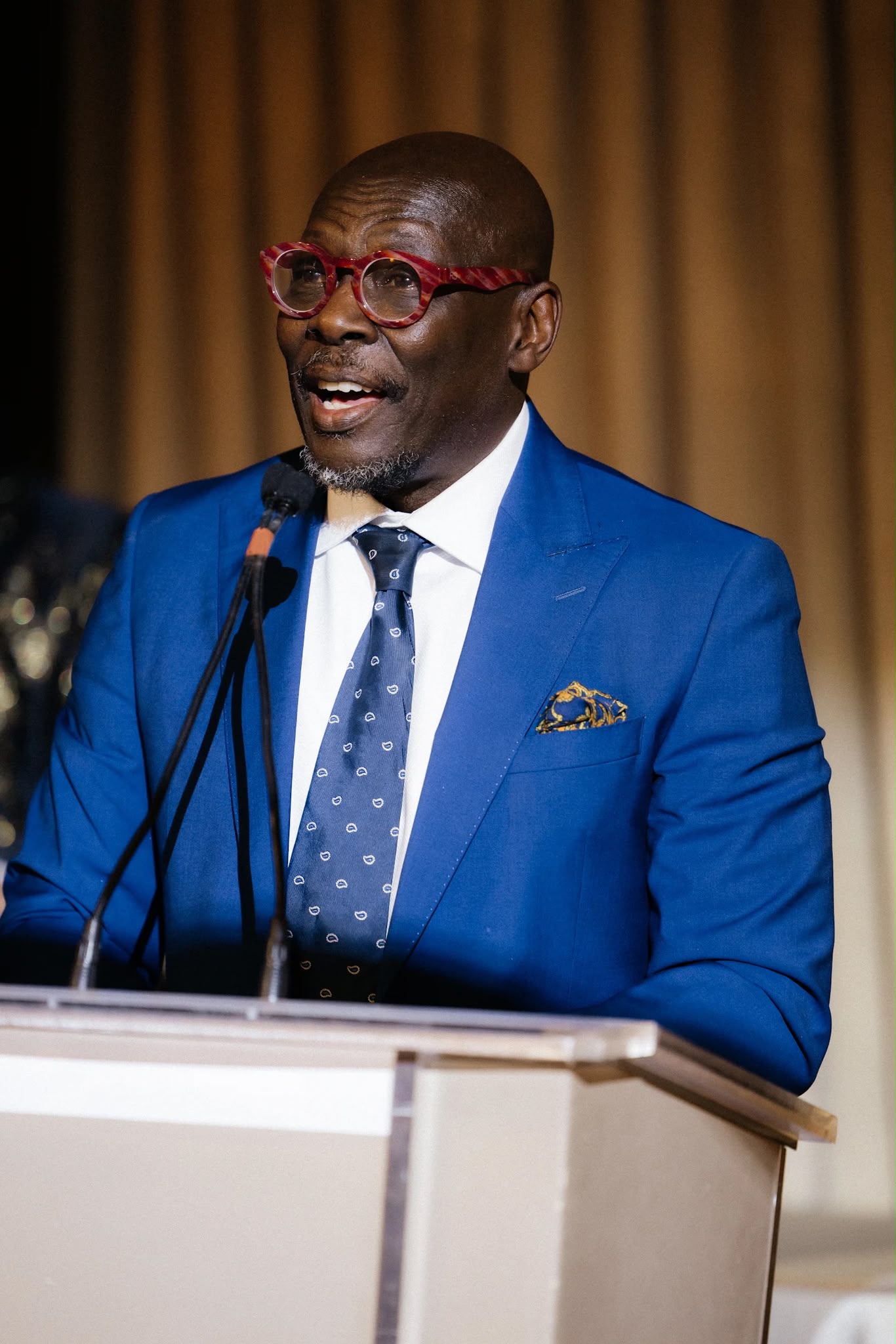
Keynote address · Tuesday, 10 November · 9:30
Prof. Ato Quayson
Kwame Nkrumah Chair of African Studies
University of Ghana, Legon
“Interdisciplinarity and Boundary Crossings in the Humanities in Africa”
View Tuesday’s programme ↗Opening ceremony · Tuesday, 10 November
Our host & special guest.

Host & Chairperson
Prof. Nana Aba Appiah Amfo
Vice-Chancellor, University of Ghana
President, African Humanities Association

Special guest
Hon. Dr. Clement Apaak
Deputy Minister for Education
Republic of Ghana
Tuesday · 10 November · 14:00–15:45
Time with the Sages
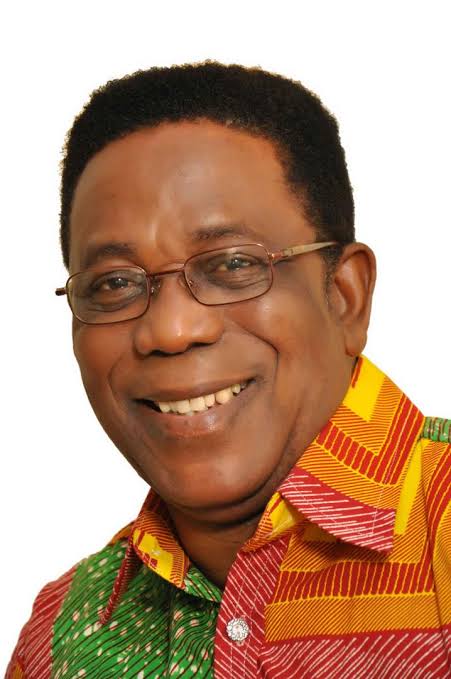
Invited sage
Emeritus Prof. Kwesi Yankah
Ashesi University
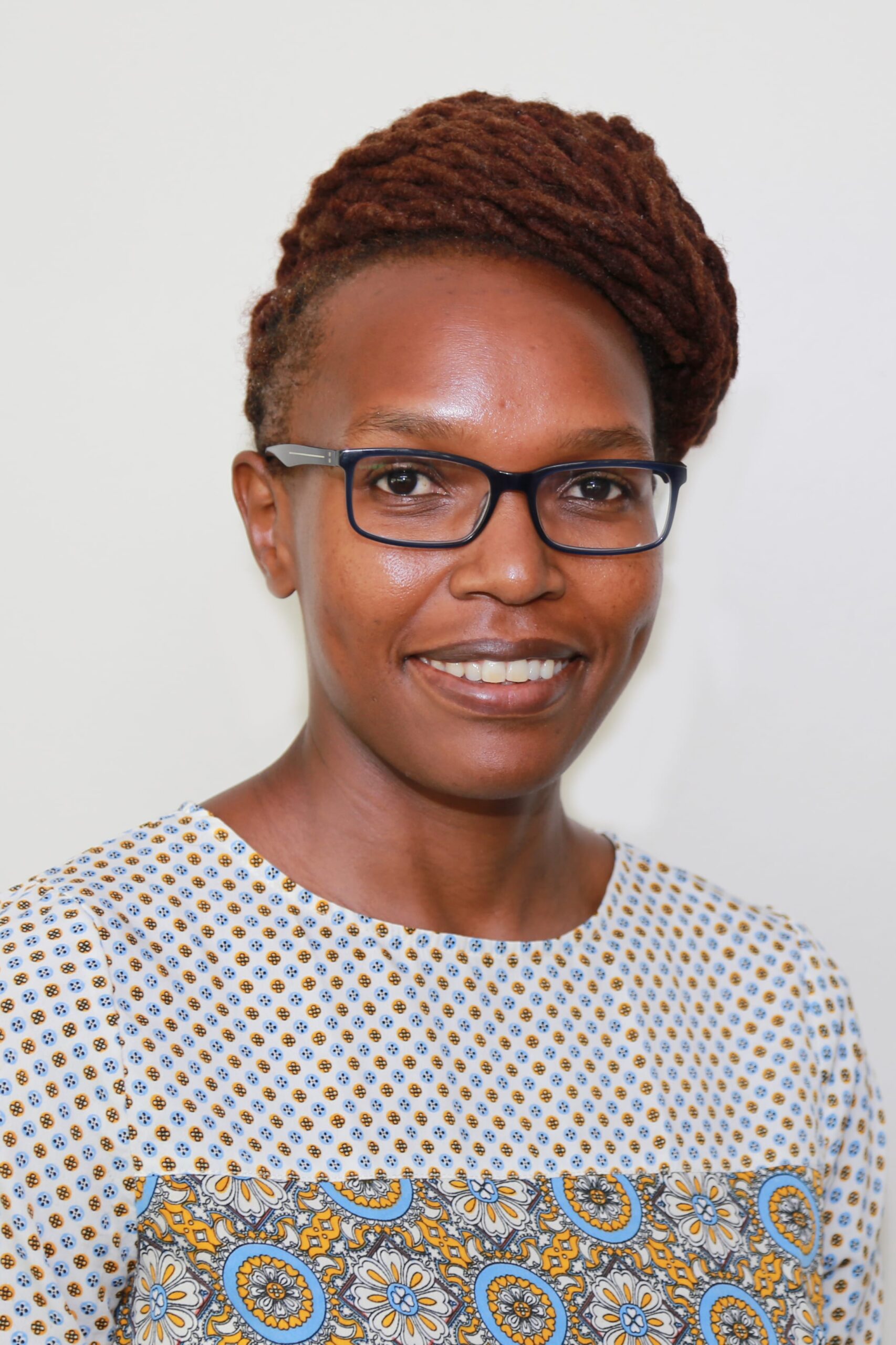
Moderator
Prof. Grace Musila
University of the Witwatersrand, South Africa

Moderator
Prof. Joseph Oduro Frimpong
Ashesi University
Wednesday · 11 November · 08:30–10:00
Music, culture & conversation
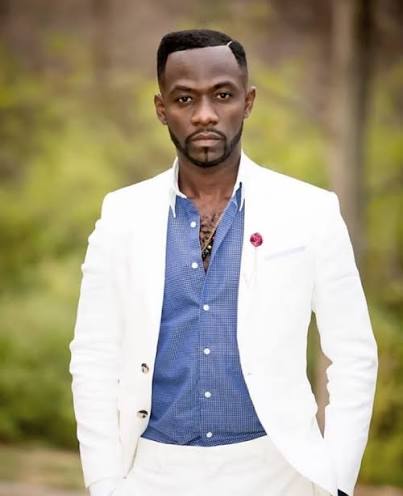
Invited speaker
Okyeame Kwame
Musician, Songwriter, Activist
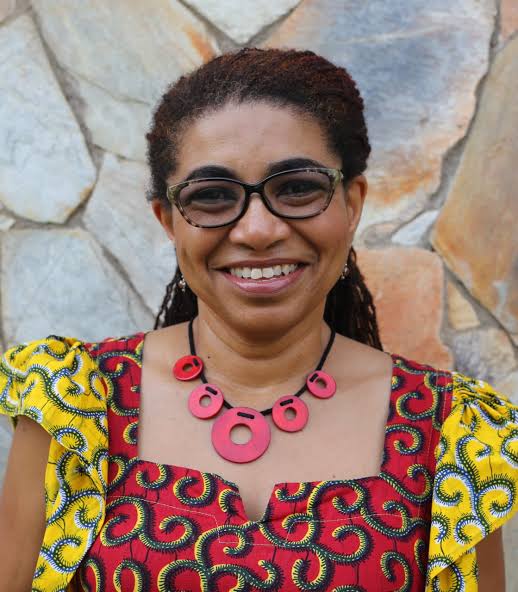
Moderator
Emerita Prof. Akosua Adomako Ampofo
Centre for Gender Studies and Advocacy, University of Ghana
Tuesday · 10 November · 17:30–19:00
Who Belongs?
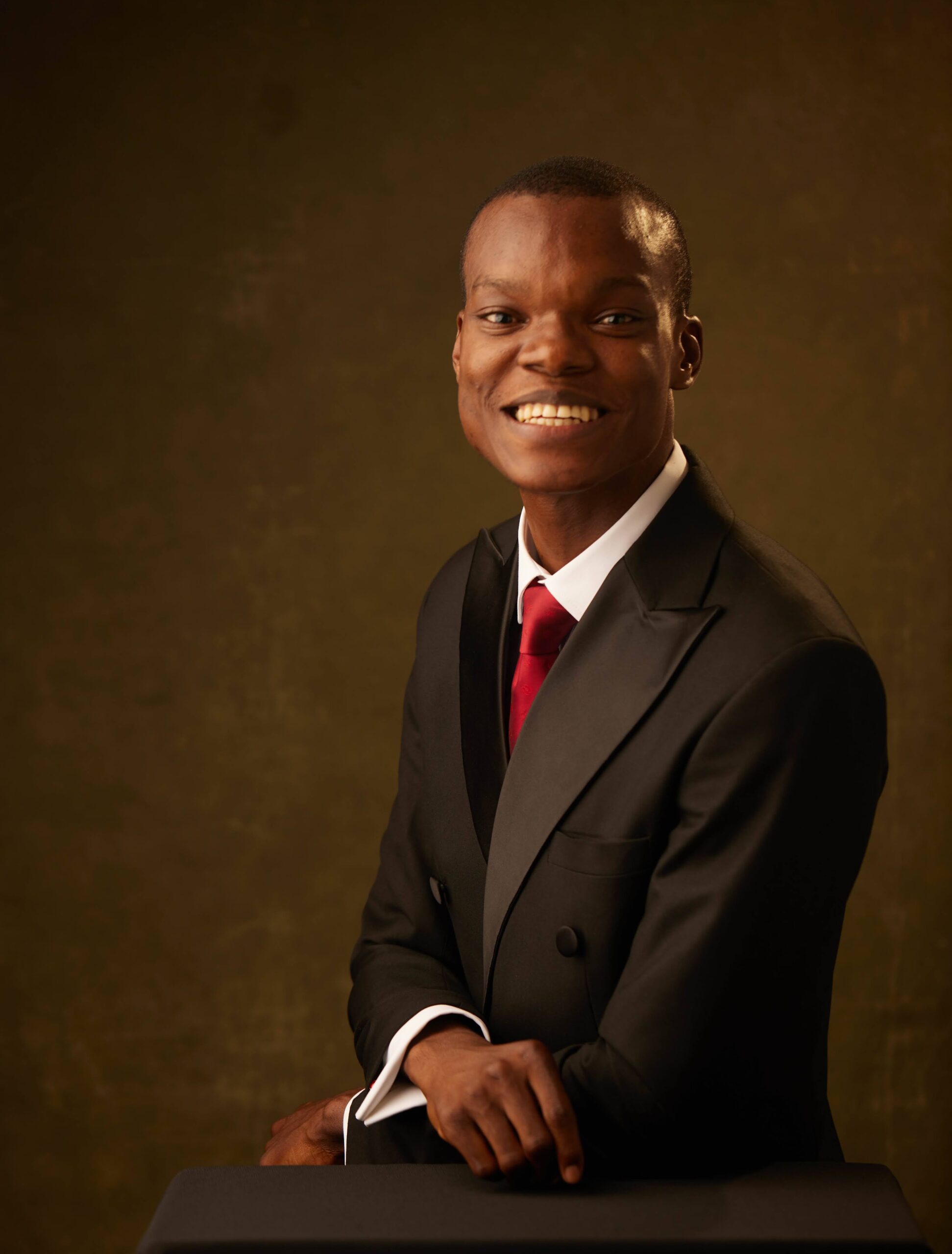
Panel moderator
Mr. Caleb Kudah
Citi FM

Panellist
Hon. Samuel Okudzeto Ablakwa
Minister for Foreign Affairs
Republic of Ghana
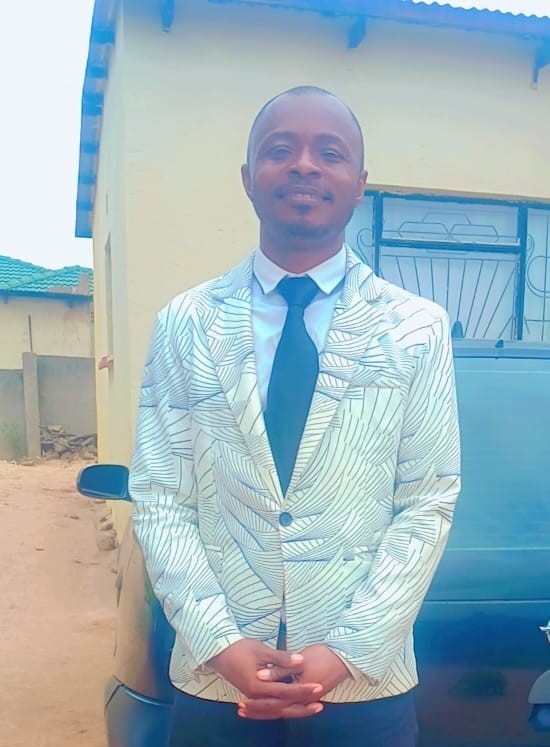
Panelist
Mr. Emmanuel Akuoku
Ghanaian returnee

Panelist
Ms. Efua Benyiwa Amfo
Peking University / London School of Economics
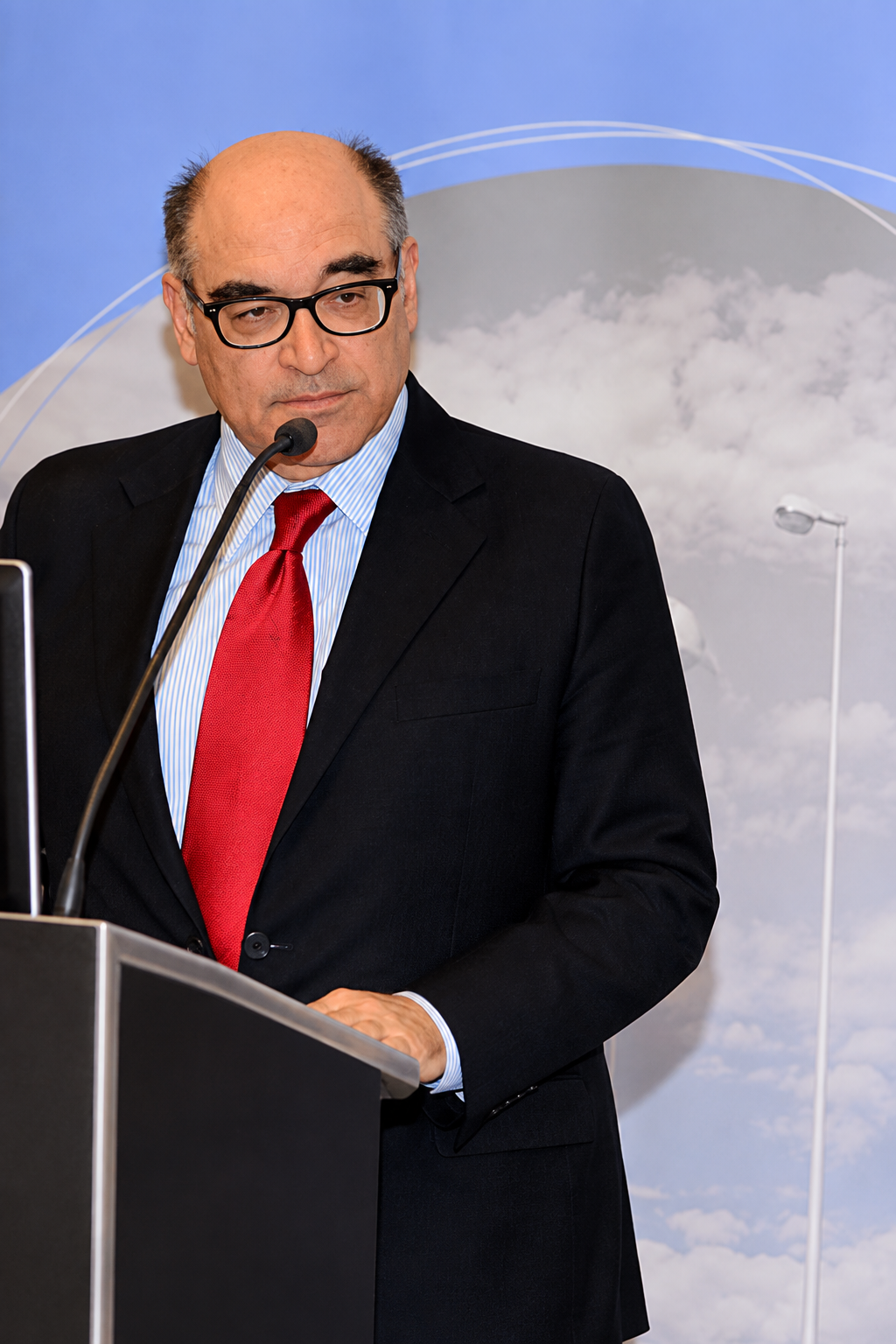
Panelist
Prof. Fred Hendricks
Rhodes University
African Humanities Series
The book launch.
Celebrating new scholarship in music, language, culture and history.
Monday, 9 November 2026 · 16:45–18:30 · Ghana (GMT)
ModeratorProf. Grace Musila
NISC PtyMr. Mike Schram
AHA Series EditorEmeritus Prof. Fred Hendricks
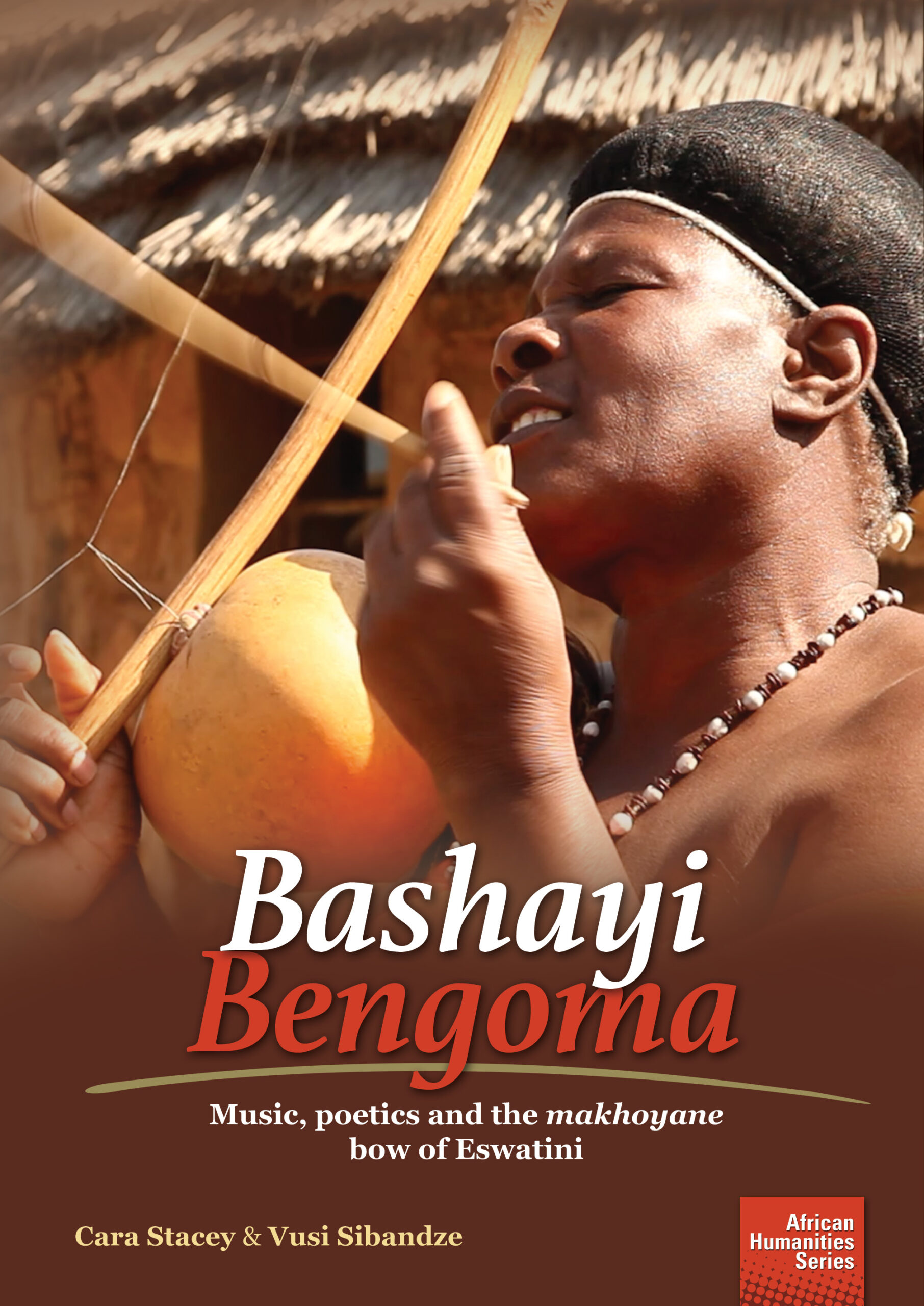
Bashayi Bengoma: Music, poetics and the makhoyane bow of Eswatini
AuthorsCara Stacey & Vusi Sibandze
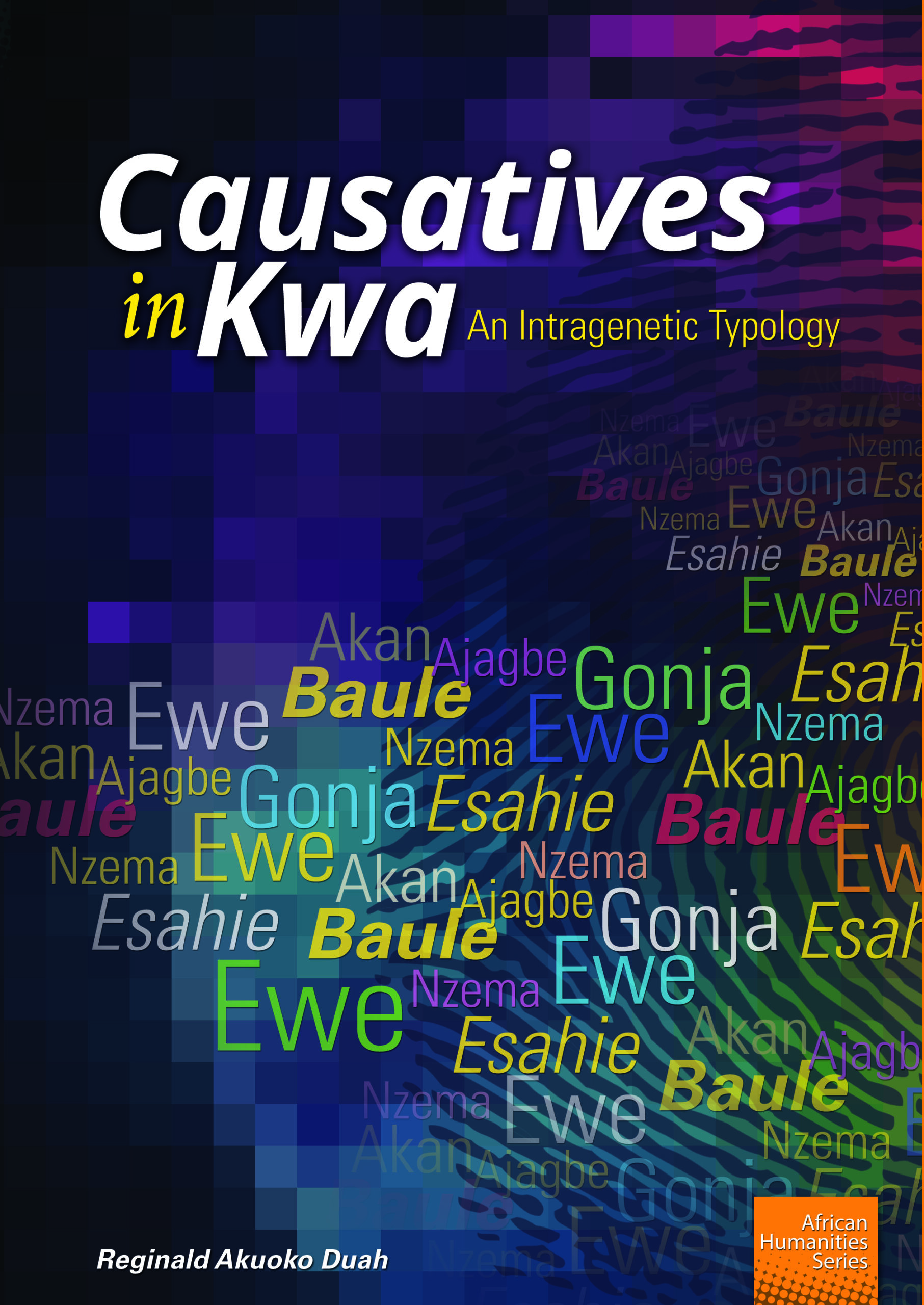
Causatives in Kwa: An Intragenetic Typology
AuthorReginald Akuoko Duah
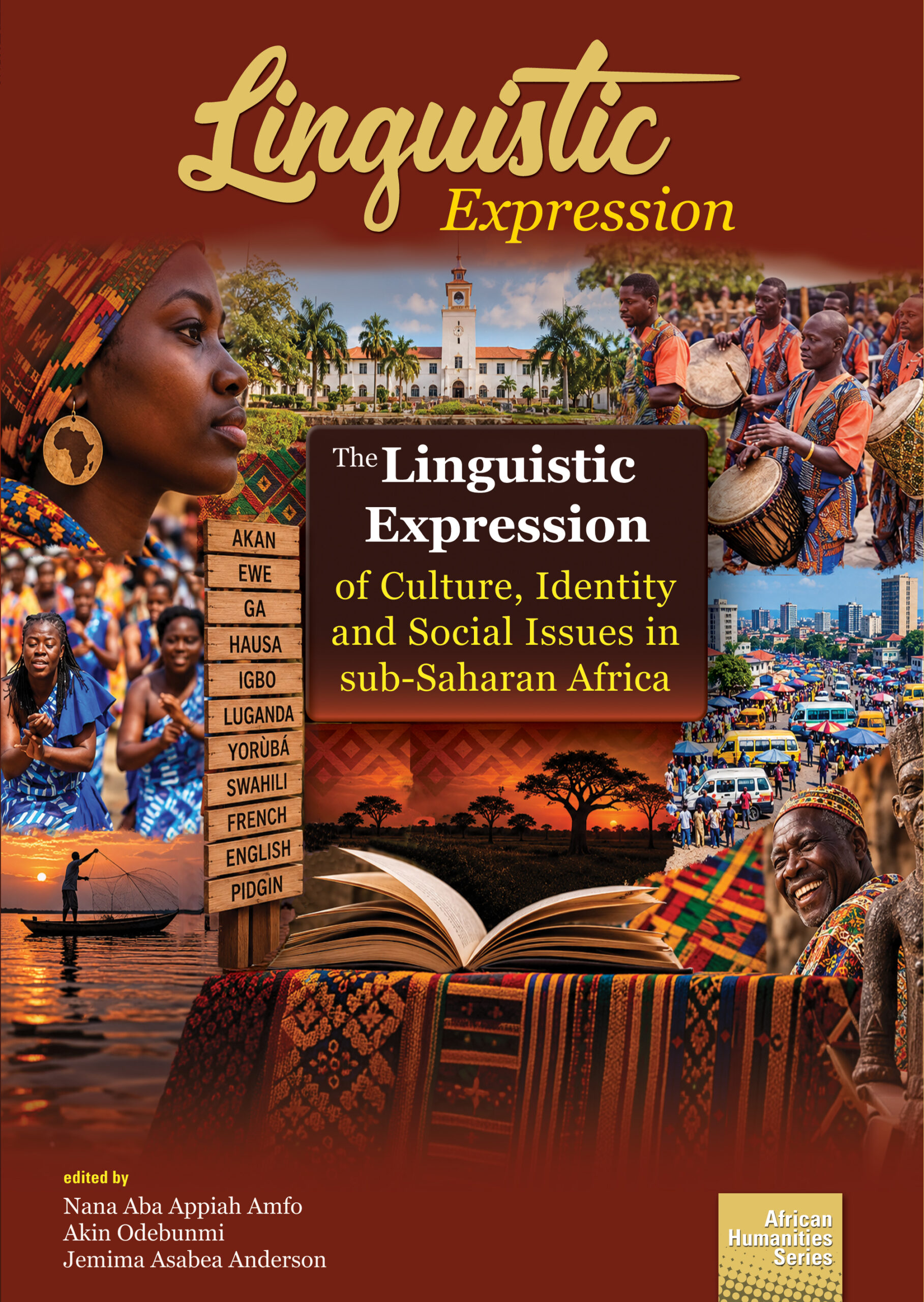
The Linguistic Expression of Culture, Identity and Social Issues in sub-Saharan Africa
EditorsNana Aba Appiah Amfo, Akin Odebunmi & Jemima Asabea Anderson
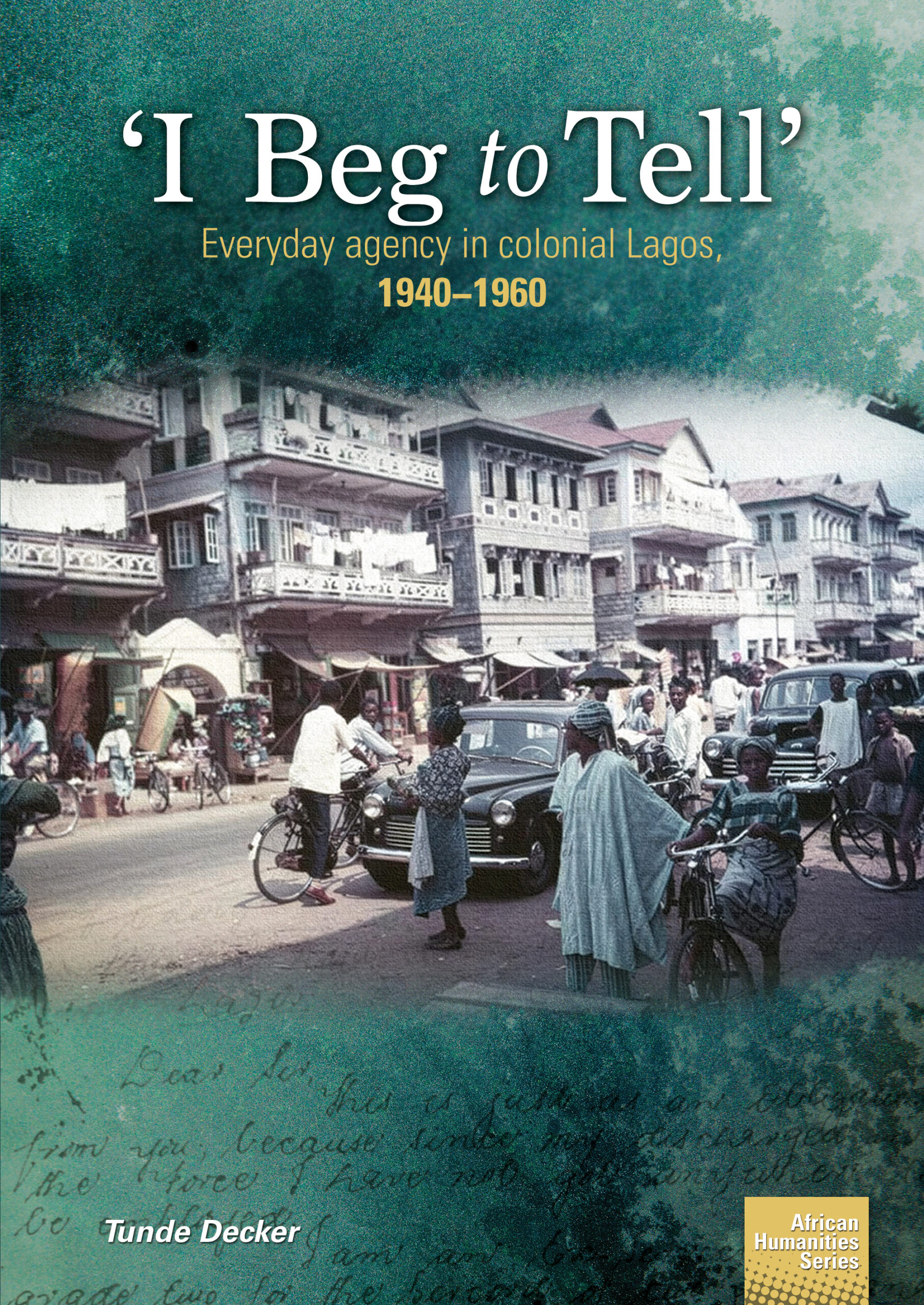
‘I Beg to Tell’: Everyday agency in colonial Lagos, 1940–1960
AuthorTunde Decker


African Humanities Association · 2026
The programme.
Explore the conference day by day. All times are local to Ghana (GMT).
Panels appear side by side within each time block. Read papers down each panel column. Author names appear below their paper titles. Panel times appear below the chair. Scroll horizontally on smaller screens.
Day 1
Monday, 9 November 2026 · Ghana (GMT)
Scroll horizontally to view all panels.
Registration: Foyer
08:00
|
||||
| Panels starting at 09:00 | ||||
|---|---|---|---|---|
Panel 1: LW002/CLASSROOM 1
Decolonizing Knowledge
Chair: Pineteh Angu
09:00–10:30 |
Panel 2: LW003/CLASSROOM 2
Memory, Heritage & Postcoloniality
Chair: Alex Asigbo
09:00–10:30 |
Panel 3: RW002/CLASSROOM 3
Art, Culture & Society
Chair: Vera Esenam Fordjour
09:00–10:30 |
Panel 4: RW003/CLASSROOM 4
Gender, Power & Justice
Chair: Rudzani Mhlari
09:00–10:30 |
Panel 5: CW007/AUDITORIUM
Social Sciences and Development in Africa
Chair: James Ssenfuuma
09:00–10:30 |
| ID 13 — Two sides of a coin? A comparative analysis of politics and policy in tertiary institutions in Ondo State, Nigeria Dare Ezekiel Arowolo | ID 97 — French banlieues and public spaces as a site of cultural negotiation and resistance: A reading of Leila Sebbar’s Fatima ou les Algériennes au square Akudo Ogechi Ugwumba | ID 30 — The role of Performative Art in Addressing Complex Societal challenges Nkosikhona Bongamahlubi Ngcobo | ID 33 — Rupturing gender norms: Exploring online practices of transvestism as decolonial acts Rowland Chukwuemeka Amaefula | Fostering the adoption of Climate Smart Agriculture (CSA) in rural refugee settings through an integrated Market Systems Development (MSD) and Graduation Approach: Lessons from the SMILES project in Uganda Ronald Luwangula |
| ID 254 — Africanising the Communicative Approach: Cultural Grounding in French Grammar Teaching at the Nigeria French Language Village Samuel Emmanuel Ezekiel | ID 116 — The Enduring Presence of Oral Tradition in Contemporary African Literature: A Case Study of Ngũgĩ wa Thiong’o’s The Perfect Nine: The Epic of Gĩkũyũ and Mũmbi Owakuza Otiki; Tobi Joseph | ID 110 — Reclaiming Precolonial Traditions through Film: A Cultural Recovery for Social Transformation Mustapha Dadzie; Joseph Aketema | ID 109 — Reclaiming Female Agency in Postcolonial Drama: A Gendered Construction of Grief in Homecoming. Zainab Oyiza Momoh; Happiness Joshua | Social Cohesion as a tool for promoting economic entrepreneurship for refugees and host community members in Uganda Eddy J Walakira |
| ID 256 — Literary Patriotism and the Teaching of Fiction at Makerere University: Personal Experiences and Reflections Isaac Kiiza Tibasiima | ID 234 — Forging Heritage: Contemporary Iron Smithing and Cultural Preservation in Eastern Uganda Fatumah Mirembe | ID 282 — Kwame Akoto Bamfo’s Art and the Decolonial Politics of Reparations, Memory, and Repatriation Kwasi Ndjokunla Ketchore | ID 61 — Mothering Beneath a Cloud of Heteropatriarchal (Post)Colonial Violence in Yvonne Adhiambo Owuor’s Dust (2013) Edgar Fred Nabutanyi | “We women have our secrets”: Women-only Village Savings and Loans Associations as a safe space for the socio-economic empowerment of rural women in refugee settings in Uganda Esther K Nanfuka |
| Fostering the adoption of Clean Energy in rural refugee settings through an integrated Market Systems Development (MSD) and Graduation Approach: Lessons from the SMILES project in Uganda Tibengana Samuel Baker | ||||
Tea/ Coffee Break
10:30–11:00
|
||||
| Panels starting at 11:00 | ||||
Panel 1: LW002/CLASSROOM 1
Decolonizing Knowledge: Literature & Epistemologies
Chair: John-Doe Dordzro
11:00–13:30 |
Panel 2: LW003/CLASSROOM 2
Land, Resources and Rural Futures in Africa
Chair: Sonwabile Mnwana
11:00–13:30 |
Panel 3: RW002/CLASSROOM 3
African Scholarship: Education & Assessment
Chair: Monday Ojo
11:00–13:30 |
Panel 4: RW003/CLASSROOM 4
Grounding the Arts in African Spaces
Chair: Sikhumbuzo Makandula
11:00–13:30 |
Panel 5: CW007/AUDITORIUM
Language Policy, Curriculum & Education
Chair: Kwame Osei-Poku
11:00–13:30 |
| ID 88 — African Literature, Decolonial Natures, and Epistemic Freedom Sule Emmanuel Egya | An Elite Compromise: Platinum Group Metals, Resource Nationalism, Land and Local Sonwabile Mnwana | ID 221 — Struggles for the Future of History in Postcolonial Uganda: History Graduate Training at Makerere University Pamela Khanakwa | Dzimbanhete Arts and Culture Interactions Centre: Indigenous Knowledge Systems and Anti-Colonial Practice in Contemporary Zimbabwean Art Clive Gwanzura | ID 158 — Decolonising English Language Teaching Through Nkrumaism: A critical analysis of textbooks for the teaching of English in Senior High Schools in Ghana Emma Kusuoba Pedavoah; Jemima Akosua Anderson |
| ID 134 — Popular Culture Episteme: Decolonising Social Science Theory and Approach Ayokunle Olumuyiwa Omobowale; Olufunto Ayomide Saliu | Reclaiming Land as a Social Endowment: Responses to the crisis of social reproduction from below in South Africa Sithandiwe Yeni | ID 43 — Sankofa in the KG Classroom? Rethinking Play-Based Pedagogy through Indigenous Knowledge in Ghana Richardson Addai-Mununkum; Hannah Adutwumwaa Owusu | Women Sculptors at Tengenenge Art Centre in Zimbabwe: A case Study of Kilara Malola and Janet Chakufa Nyaradzo Musungwa | ID 76 — Curriculum Gaps and Pedagogical Futures in Stage Management Training: Reimagining Nigerian Theatre Arts Education for Sustainable Development Gbenga Emmanuel Adeboye |
|
ID 105— Whither the communal self: Re-engineering the individual as the centrepiece of social organisation through word problems
Alimsiwen E Ayaawan Bassey E Antia |
Struggles of over (dis)embedded resources along unregulated sand supply chains in the Eastern Cape’s Wild Coast region of South Africa Lufefe Sopazi | ID 328 — Readability and Assessment Quality: Implications for Curriculum Transformation in African Higher Education Vera Esenam Fordjour | Inhlambuluko: Spiritual Economies through Live Art and Public Spheres Sikhumbuzo Makandula | ID 99 — Between Mandate and Momentum: Multilingualism Policy and Emerging Practice at Rhodes University Sisonke Mawonga |
| Lunch 13:30 – 15:00 | ||||
Panel 1: LW002/CLASSROOM 1
Decolonizing Knowledge: Identity & Practice
Chair: Alimsiwen E Ayaawan
15:00-16:30 |
Panel 2: LW003/CLASSROOM 2
Land, Resources and Rural Futures in Africa
Chair: Sonwabile Mnwana
15:00-16:30 |
Panel 3: RW002/CLASSROOM 3
African Scholarship: Institutions & Knowledge
Chair: [TBD]
15:00-16:30 |
Panel 4: RW003/CLASSROOM 4
Art, Spirituality & Creative Practice
Chair: [TBD]
15:00-16:30 |
Panel 5: CW007/AUDITORIUM
Language, Power & Political Belonging
Chair: [TBD]
15:00-16:30 |
| ID 121 — Leaving to live: youth migration as existential praxis in postcolonial Nigeria Osita Gregory Nnajiofor | Yearning for Relationality on Reclaimed Land: Mfengu Elders in Tsitsikamma Michelle Pressend | ID 232 — Between Centralization and Participation: Leadership Decision-Making and Resource Distribution in Nigerian Universities. Carol Ogbaji | ID 111 – Language, Ideology, and Democratic Governance: A Critical Discourse Analysis of Hon. Alban S. K. Bagbin’s Address Practices in Parliamentary Debates in Ghana Esther Serwaah Afreh and Emmanuel Kyei | |
| ID 280 — Fashion Borrowing: Decolonizing Igbo symbolic culture through clothing identity Akumjika Chikamma Michael | The limits of customary governance in the face of intensifying urban land pressures in South Africa’s rural municipalities Ayanda Sondara |
ID 164 — Multilingualism and Academic Identity: Contrasting Language Policies in South African and Ghanaian Higher Education
Sisonke Mawonga Joyce S. A Anku |
ID 48 — Reclaiming Aesthetic Agency: Uli Women Designers as Epistemic Agents in the Production and Preservation of Indigenous Cultural Narratives Tracie Chima Utoh-Ezeajugh | ID 276 — “No one applauds a coup d’état, but …”: Counter-Securitisation in Bassolma Bazié’s UN Speech on the Sahel Coups Isaac N. Mwinlaaru |
| ID 12 — What, why, how and by whom? Reflections on the hashtag movements, the politics of knowledge production and academic literacy pedagogies in South African higher education. Pineteh Angu | ID 341 — Lithium extractivism and intergenerational displacements of local communities in Zimbabwe Simbarashe Gukurume | ID 138 — Decolonizing Knowledge and Scholarship in Africa: A Tripartite Engagement Approach Agatha Njideka Nwanya | ID 260 — Accountability of the Witness: Issues of Racial Segregation in Contemporary Art Lynne E Larsen | ID 339 — Speaking Closer to Whiteness: Language, Accent and the Politics of Belonging in Ghana Efua Benyiwa Amfo; Nana Aba Appiah Amfo |
Health Break
16:30–16:45
|
||||
Book Launch
Moderator: Professor Grace Musila 16:45–18:30
|
||||
Theatre: Ben Abdallah’s “The Slaves” — Efua Sutherland Drama Studio
19:00
|
||||
Day 2
Tuesday, 10 November 2026 · Ghana (GMT)
Scroll horizontally to view all panels.
Registration: Foyer
08:00
|
|||||
Opening Ceremony08:30–10:30
|
|||||
MC: Pamela Korsah 08:30 — Opening Remarks 08:40 — Welcome Address 08:50 — Special Guest 09:00 — Dance Performance 09:10 — Introduction of the New Executive Committee of AHA 09:30 — Keynote Address: “Interdisciplinarity and Boundary Crossings in the Humanities in Africa” |
|||||
Tea/Coffee Break
10:30–11:00
|
|||||
| Panels starting at 11:00 | |||||
|---|---|---|---|---|---|
Panel 1: LW002/CLASSROOM 1
Social Sciences & Development
Chair: Sithandiwe Yeni
11:00–12:30 |
Panel 2: LW003/CLASSROOM 2
Memory, Heritage & Postcoloniality
Chair: Akudo Ugwumba
11:00–12:30 |
Panel 3: RW002/CLASSROOM 3
Gender, Power & Justice
Chair: Stella Antwiwaa
11:00–12:30 |
Panel 4: RW003/CLASSROOM 4
African Thought & Intellectual Traditions
Chair: Idongesit Eyakndue
11:00–12:30 |
Panel 5: Venue: [TBD]
Digital Learning & AI in Higher Education
Chair: [TBD]
11:00–12:30 |
Panel 6: TBA
Gender, Power & Justice
Chair: Esther Nanfuka
11:00–12:30 |
| ID 72 — Socio-economic reparations from multinational corporations in South Africa: Expiation for the exploitation of Black labour during apartheid. Thato Valencia Maseko | ID 230 — Women, Memory, and Media Heritage: Recovering Forgotten Female Broadcasters in Postcolonial Ghana. Mary Selikem Ayim-Segbefia | ID 233 — Feminitude and the Radical Reconstruction of the African Female Self in Calixthe Beyala’s Tu t’appelleras Tanga. Mary Eleojo Aduh | ID 252 — The Praxis of Black Intellectual Radical Tradition in Contemporary Africa Thabang Shaheed Manyike |
ID 331 — Artificial Intelligence (AI) in continuous assessment in higher education: A review of students’ use and emerging trends in Lesotho, Zimbabwe, and Ghana
Fungai Mutema Ernestina Larbie Redemption Chatanga |
ID 81 — Clan and sacred landscapes appellations associated with Dagaaba women as cultural and generational memory in the Upper West Region. Dannabang Kuwabong |
| ID 315 — Entrepreneurship as a Strategy for Reducing Graduate Unemployment and Promoting Inclusive Growth in South Africa Kayambazinthu Steven Msosa | ID 128— The Autobiographical “I”: Subjectivity and the Epistemology of Witnessing in Anyidoho’s Guns Over Kigali and Umutesi’s Surviving the Slaughter Franklin Appiah-Dankwa |
ID 307 — High Voter Turnout: Case of Agboyi1Registration Areas (Wards) in Lagos State
Monday William Ojo Peter Olamakinde Olapegba |
ID 86 — The Contributions of Africans to Orature Studies in Africa Sani Aliyu | ID 335 — Digital Fatigue and Learning Satisfaction in Post-COVID Blended Learning Environments: The Role of Student Engagement and Digital Literacy Anastasia Nana Ama Kumi-Korsah | ID 327 — “Always Remember that, God is the First Human Rights Activist”: Deliberating Gender and Feminisms in Ghanaian Social Media Nancy Henaku |
| ID 334 — Bridging Language Barriers: Parents’ Use of AI to Support Homework in Ghanaian Languages Abigail Exornam Ayiglo-Kuwornu | ID 238 — History as Power and the Power of History: Local Elites and the Politization of History in Postcolonial Northeastern Ghana Joseph Udimal Udimal Kachim | ID 159 — The Bush War in Luwero Triangle in Women’s Participation in Political Leadership and the Consolidation of National Resistance Movement’s Political Dominance in Uganda Robert Ojambo | ID 239 — Restoration of African Historiography: A Critique of Eurocentric Censure through African Methods Peter K. Womber, Peter T. Grant | ID 247 — Artificial Intelligence Adoption in Library Services: An Assessment of Edo State Polytechnic, Usen and Auchi Federal Polytechnic, Auchi Innocent Isesele Okoedion | ID 187 — Resolving Paternity Disputes in Popular Media: Memory, Cultural Belief, and Scientific Authority in a Postcolonial Context Doreen Rumbidzai Tivenga |
| ID 180 — African-Centred Psychology: Embracing Contemporary Psychology in South Africa Rudzani Marry Mhlari | ID 326 — Attitude and Graduation in Online News Discourse on Ghana’s First Female Electoral Commission Chairperson B. Offeibea Awuku | ID 193 — Interrogating the green archive in Ganda folktales Eve Nabulya | ID 39 — Rethinking Matrimonial Causes Act 367, PNDC Law 111 and Polygamous Marriages in Ghana: Perspective from African Feminism Stella Antwiwaa | ||
Lunch Break
12:30–14:00
|
|||||
Plenary Panel: Time with the Sages:
“Scholarship, Politics and the Everyday Life” Moderators: Prof. Grace Musila (University of the Witwatersrand) & Prof. Joseph Oduro Frimpong (Ashesi University) Invited Sage: Emeritus Prof. Kwesi Yankah (Ashesi University) 14:00–15:45
|
|||||
Health Break
15:45–16:00
|
|||||
Scroll horizontally to view all panels.
| Panels starting at 16:00 | ||||
|---|---|---|---|---|
Panel 1: LW002/CLASSROOM 1
Breaking the Dividing Walls of Hostility in African Humanities Scholarship
Chair: Awo Mana Asiedu
16:00–17:30 |
Panel 2: LW003/CLASSROOM 2
Digital & Collaborative Futures
Chair: Mohammed El-Nasir AL-Amin
16:00–17:30 |
Panel 3: RW002/CLASSROOM 3
Art, Culture & Society
Chair: Nkosikhona Bongamahlubi Ngcobo
16:00–17:30 |
Panel 4: RW003/CLASSROOM 4
Decolonizing Knowledge
Chair: Peter Kwame Womber
16:00–17:30 |
Panel 5: Venue: [TBD]
AI, Education & Digital Futures
Chair: [TBD]
16:00–17:30 |
| Beyond the Divide: Social Science as a Mediator for Interdisciplinary Innovation in African Humanities Ernest Afrifa-Anane | ID 58 — Perceived Organizational Readiness and Enabling Factors for Human Capital Management System Adoption in Ugandan Public Universities Irene Mutuzo | ID 93 — Decolonizing Nollywood: Christian Hegemony and the Demonization of African Traditional Religions in Nigerian Cinema Emmanuel Onyeka Ebekue | ID 203 — Sankofa and Sustainability: Reclaiming Indigenous Ecological Ethics for Modern Climate Action Ănúolúwapọ̀ Adéwùnmí Adétọ̀míwá; Hasiyatu Abubakari; Vivian Mawuli Gli; Edwin Asa Adjei; Abena Kyere | ID 75 — Generative AI: Policies and guidelines in Higher Education in South Africa in a global context Shepherd Mpofu |
| Beyond scripture: songs, folktales, and proverbs as sources for theological scholarship in the African context Joshua D. Settles | ID 3 — Digital Humanitarian Innovation and Quadruple Helix: Crowdfunding for Displaced Communities in the Sahel Region. Francis Kwaku Kuma | ID 288 — “Performing the Real: Live Storytelling as Creative Research in Contemporary African Theatre-Digital Practice” Jacqueline K Ojiambo | ID 220 — Asaase Yaa (Mother Earth): Harnessing Women’s Indigenous Knowledge through Storytelling for Environmental Conservation in Africa. The Case of Ghana. Abena Kyere; Edwin Adjei Asa; Adewunmi Adetomiwa Anuoluwapo; Vivian Mawuli Gli; Hasiyatu Abubakari | ID 26 — Decolonizing Digital Futures: AI, African Orature, and the Reconfiguration of Knowledge Systems Mohammed El-Nasir Al-Amin |
| Performing Theology: Folktales, Embodiment, and Religious Meaning Making in Africa Sarah Dorgbadzi | ID 2 — Artificial Intelligence, Crowdfunding, and University Spinoffs in Africa: Exploring Digital Pathways for Knowledge Diffusion and Innovation through Qualitative Inquiry. Francis Kwaku Kuma | Ghanaian cinema culture as archive and pedagogical practice: negotiating postcolonial identity through through film Eyram Evans Adorkor | ID 63 — Decolonizing University Music Curricula in Africa: Indigenous Knowledge, Canon Formation, and Institutional Resistance John-Doe Yao Dordzro | ID 334 — Bridging Language Barriers: Parents’ Use of AI to Support Homework in Ghanaian Languages Abigail Ayiglo-Kuwornu |
17:30–19:00
Plenary Panel Discussion
“Who Belongs? Xenophobia, Afrophobia and the Unfinished Project of African Solidarity” Moderator: Caleb Kudah (Citi FM) Hon. Samuel Okudzeto Ablakwa, Minister for Foreign Affairs, Republic of Ghana Emeritus Prof. Fred Hendricks (Rhodes University) Mr Emmanuel Akuoku (Ghanaian returnee from South Africa) Ms. Efua Benyiwa Amfo (Peking University, Beijing, China/London School of Economics, UK) |
||||
Cocktail: WAGMC
19:00
|
||||
Day 3
Wednesday, 11 November 2026 · Ghana (GMT)
Scroll horizontally to view all panels.
REGISTRATION: FOYER
08:00
|
|||||
Plenary Session
Moderator: Emerita Prof. Akosua Adomako Ampofo (University of Ghana) Speaker: Okyeame Kwame (Writer, Composer, Musician) 08:30–10:00
|
|||||
Tea/Coffee Break
10:00–10:30
|
|||||
| Panels starting at 10:30 | |||||
|---|---|---|---|---|---|
Panel 1: LW002/CLASSROOM 1
Language, Media, and Conflict Dynamics in Ghana
Chair: Anthony A. Musah
10:30–12:00 |
Panel 2: LW003/CLASSROOM 2
Social Sciences: Institutions & Social Transformation
Chair: Abigail Exornam Ayiglo-Kuwornu
10:30–12:00 |
Panel 3: RW002/CLASSROOM 3
Memory, Gender & Postcolonial Experience
Chair: Grace A. Musila
10:30–12:00 |
Panel 4: RW003/CLASSROOM 4
Music, Orality & Indigenous Knowledge
Chair: [TBD]
10:30–12:00 |
Panel 5: CW007/AUDITORIUM
Language, Naming & Cultural Identity
Chair: [TBD]
10:30–12:00 |
Panel 6: TBA
Humanities and the Public Sphere
Chair: Tabitha Oyepeju Sangotowo
10:30–12:00 |
| Language And Conflict: Media Discourse of Conflicts in Ghana Kaderi Noagah Bukari, Richard Ametefe, Mathias A. Ateng & Anthony Agoswin Musah | ID 139 — Rehousing, Urban Integration, and Social Transformation in Rabat’s Peripheries Oumaima Jmad; Zakaria Kadiri | ID 255 — Theorising Joy Amidst Struggle: Senzeni Marasela, Black Feminist Geographies, and Spatial Belonging through Art Jana Vosloo | ID 36 — Repositioning “Dondology”: Healer Songs and African-Centred Knowledge Production Nana Amowee Dawson | ID 206 — Interactional Routines and Sociality in Southeastern Ghana Linguacultures Mercy Bobuafor | ID 227 — Beyond Crime: Cyber Fraud Postcolonial Discourse in West African Diasporic Communities in Central Eastern Europe Yushawu Abubakari |
| Code-Switching and Hate Speech: How Language Choice in Ghanaian Radio and Social Media Escalates or De-Escalates Political Conflict David Naya Zuure | ID 157 — Beyond Unidirectional Aid: Epistemic Encounters in China-Uganda Medical Cooperation Yuankang Liu |
ID 244 — A Gendered Reading of Religio-Political Conflict and Intergenerational Trauma in Richard Ali’s City of Memories
Funso Ariyo-Agbaje Ezinwanyi Edikanabasi Adam |
ID 50 — Cross-Cultural Listening, Sonic Authority, and Musical Thought in Akan Performance Papa Kow Mensah Agyefi | ID 130— Female Football Players’ Nicknames in Tanzania Sani Omari Mchepange | ID 107 — Beyond the Chair: Analysing the Determinants of Nigeria’s Declining Foreign Policy Influence in her Sub-Region amid ECOWAS Challenges Zephaniah Osuyi Edo |
| Social Media and the Escalation of the Bawku (Ghana) Conflict Issaka Akudugu | ID 330 — Organizational culture and employee’s performance of Joseph Ayo Babalola University, Ikeji Arakeji, Osun State Akande |
ID 343- Gendered Vulnerability in Ghanaian Media Discourse on Galamsey: A Corpus-Assisted Critical Discourse Analysis
George Kodie Frimpong Kingsley Cyril Mintah Rexford Boateng Gyasi Gloria Mankontia Affum |
ID 182 — Analysis of the Conceptual Metonymy in the Bongo Flava Song “Nipeni Maua Yangu” (give me my flowers) by Roma Mkatoliki in Tanzania Kumburu Ezekiel Kumburu |
ID 101 — Personal Names as cultural resources for human Rights, Identity Construction and Environmental Sustainability in Anaañ and Ibibio Indigenous Epistemology Idongesit Imohowo Eyakndue | ID 208 — Stigma and Digital Mediation: People with Albinism in Nigeria and their Navigation of Visibility Esther Temilola Ololajulo |
AHA BUSINESS MEETING
12:00–13:00
|
|||||
Lunch Break
13:00–14:00
|
|||||
Panel 1: LW002/CLASSROOM 1
Language, Conflict Resolution & Political Discourse
Chair: [TBD]
14:00–15:30 |
Panel 2: LW003/CLASSROOM 2
Governance, Trust & African Futures
Chair: [TBD]
14:00–15:30 |
Panel 3: RW002/CLASSROOM 3
Heritage, Ecology & Historical Knowledge
Chair: [TBD]
14:00–15:30 |
Panel 4: RW003/CLASSROOM 4
Society, Political Economy & Livelihoods
Chair: [TBD]
14:00–15:30 |
Panel 5: CW007/AUDITORIUM
Decolonizing Knowledge
Chair: Akumjika Michael
14:00–15:30 |
Panel 6: TBA
Humanities and the Public Sphere
Chair: [TBD]
14:00–15:30 |
| Language, Authority, and Indigenous Conflict Resolution Mechanisms: A Study of Discursive Practices in the Agona West Municipality of Ghana Nicodemus Kwabena Appiah | ID 92 — Re-imagining African Unity from Below: The Theory of Supra-nationalization and Africa’s Global Intellectual Agency Nana Kwame Nkrumah | ID 200 — Cinematic Memory and the Vanishing Landscape: Heritage Preservation and Postcolonial Ecologies in Ghana’s Galamsey Crisis Yao Joseph Edem Homadji Ladzekpo |
ID 71 — Izitori zamaphara: a study of the socio-economic conditions of the marginalised young black men labelled as amaphara in Makhanda, South Africa Meintjies Aphelele Meintjies |
ID 126 — Decolonizing Menstrual Health: Rethinking Dysmenorrhea and African Traditional Medicine in the Eastern Cape Remofilwe Chantelle Madilola Melusi Dlamini | ID 293 — Dinaw Mengestu’s Critical Illegibility Grace Musila |
| ID 162 — Impoliteness in Political Discourse and Its Mental Health Implications for Politicians: A Scoping Review Rachel Thompson |
ID 317 — Loyalty Without Language: Trust and the Limits of Linguistic Compatibility in Household Waste Service Relations
Nancy Boahemaa Nkansah Rachel Thompson Alimsiwen Elijah Ayaawan Gabriel Opoku Evershed Kwasi Amuzu |
ID 323 — Nature’s Justice: Retribution, Oral Tradition, and the Ethics of Environmental Care in Ghana’s Galamsey Crisis Hasiyatu Abubakari | ID 122 — Populism and the Dynamics of Democracy in Africa: A Study of Selected Political Leaders Tolulope Abraham Atunramu | ID 178 — Deconstructing Gendered Knowledge about Africa: Colonial Legacies and Critical Perspectives Onibon Doubogan | ID 65— We Live Here’: Rootedness, Precarity and the Work of Community Policing in Galeshewe, South Africa Doctor Jackals |
| ID 143 — Pragmatic Functions of Insults in Political Discourse: A Study of Ghanaian Social Media Interactions Dennis Boamah-Boateng | ID 226 — L’héritage historique comme catalyseur ou entrave à la bonne gouvernance en Afrique de l’Ouest Adama Kamara | ID 96 — On the Functionality and Meanings: New Insights into the Nok Culture Abubakar Sani Sule | ID 316 — Twi as currency: linguistic capital and the informal economy of waste collection Rachel Thompson | ID 180 — African-Centred Psychology: Embracing Contemporary Psychology in South Africa Rudzani Marry Mhlari | ID 189 — The Moral Economy and Labour in South Africa’s Platform Economy: Beyond Agency Crispen Chinguno |
| Health Break 15:30-15:45 | |||||
Launch of Editorial Book Prize and AHA Journal
15:45–16:30
|
|||||
Streaming of “African Mean Girls”
16:30–18:00
|
|||||
Closing Ceremony
18:00
|
|||||
Before you arrive
Find your way to Legon.
Travel, stay and settle in. The essentials for your time in Accra.
The conference venue
West African Genetic Medicine Centre
WAGMC · University of Ghana
Legon, Accra, Ghana
01Getting here
On arrival, participants can use Uber or taxi shuttles to reach their hotel and the conference venue.
02Where to stay
Hotels and guest houses are available within walking or short driving distance of the venue.
Explore accommodation options ↗03Around campus
Use the University of Ghana campus map to plan your route. Contact the conference team for accessibility or travel questions.
Open the campus map ↗The team behind the gathering
Local Organizing Committee.
Bringing the conference together across institutions and disciplines.
Chair
Prof. Awo Mana Asiedu
Department of Theatre Arts / University of Ghana
Member
Prof. R. Akuoko Duah
Department of Linguistics / University of Ghana
Member
Prof. Emmanuel Saboro
Centre for African and International Studies / University of Cape Coast
Member
Prof. Hasiyatu Abubakari
Institute of African Studies / University of Ghana
Member
Dr. Rebecca Ohene-Asah Hesse
Film Artistic / University of Media, Arts and Communication
Member
Dr. Kwame Osei-Poku
Department of English / University of Ghana
Member
Dr. Anthony Agoswin Musah
Language Center / University of Ghana
Member
Prof. Esther Serwaah Afreh
Department of English / Kwame Nkrumah University of Science and Technology
Co-opted Member
Prof. Jemima Asabea Anderson
Department of English / University of Ghana
Member-Secretary
Ms. Ruffina Akwaboah Boateng
International Programmes Office / University of Ghana
With appreciation
Our sponsors & supporters.
Thank you to the organisations and university units supporting AHA 2026.
- Access Bank
- CBGConsolidated Bank Ghana
- Republic Bank
- GCB Bank
- UG Premier Fresh
- RwandAir
- UGCCUCo-operative Credit Union
- WAGMCWest African Genetic Medicine Centre
- Afrique Clothing
- University of GhanaOffice of the Vice-Chancellor
- University of GhanaSchool of Performing Arts
- University of GhanaPublic Affairs Directorate
- UGEL