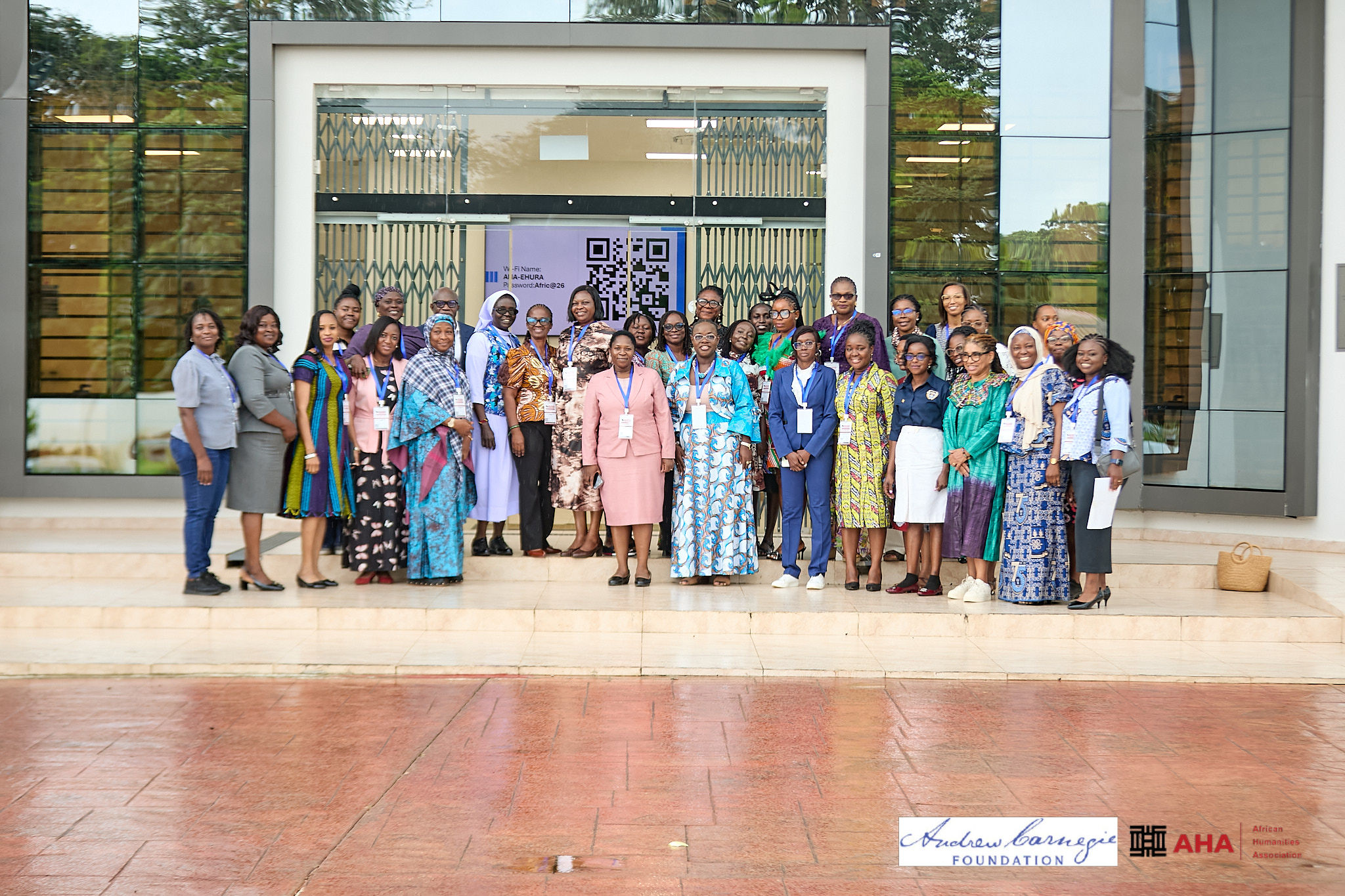
The African Humanities Association (AHA) successfully convened the inaugural AHA–EHURA Mentorship Workshop, bringing together 30 early- and mid-career humanities scholars from across Africa for two days of intensive mentorship, scholarly exchange, and professional development.
Hosted at the University of Ghana, Legon, from June 30 to July 1, 2026, the workshop forms part of the Enhancing Humanities Research in Africa (EHURA) Project—a flagship initiative of the African Humanities Association supported by the Andrew Carnegie Foundation (formerly Carnegie Corporation of New York). The project seeks to strengthen humanities scholarship across Africa through postdoctoral fellowships, mentorship, research residencies, scholarly exchanges, webinars, and other research capacity-strengthening initiatives.
The mentorship workshop followed a highly competitive call for applications that attracted 110 applications from across the continent. Following a rigorous review and selection process, 30 participants representing diverse countries, institutions, and humanities disciplines were selected to participate.
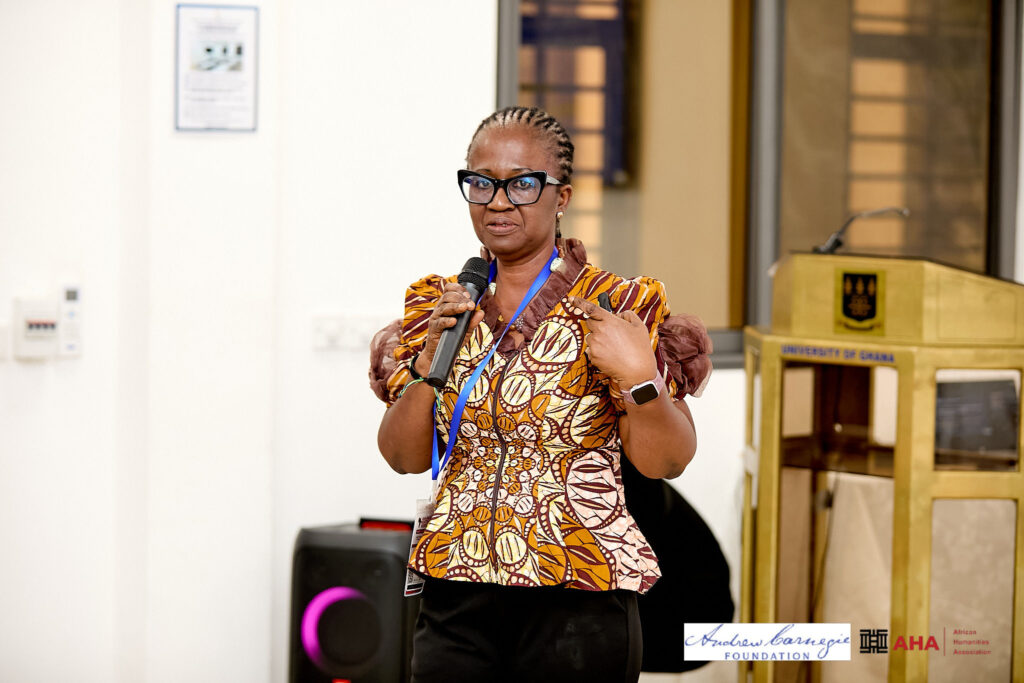
Welcoming participants, Prof. Nana Aba Appiah Amfo, President of the African Humanities Association, Co-Principal Investigator of the AHA–EHURA Project, and Vice-Chancellor of the University of Ghana challenged participants to cultivate authentic academic identities rooted in African realities while developing the confidence and intellectual independence needed to contribute meaningfully to global scholarship.
“The academy does not need another copy of someone else. The academy needs the scholar that only you can become,” she remarked.
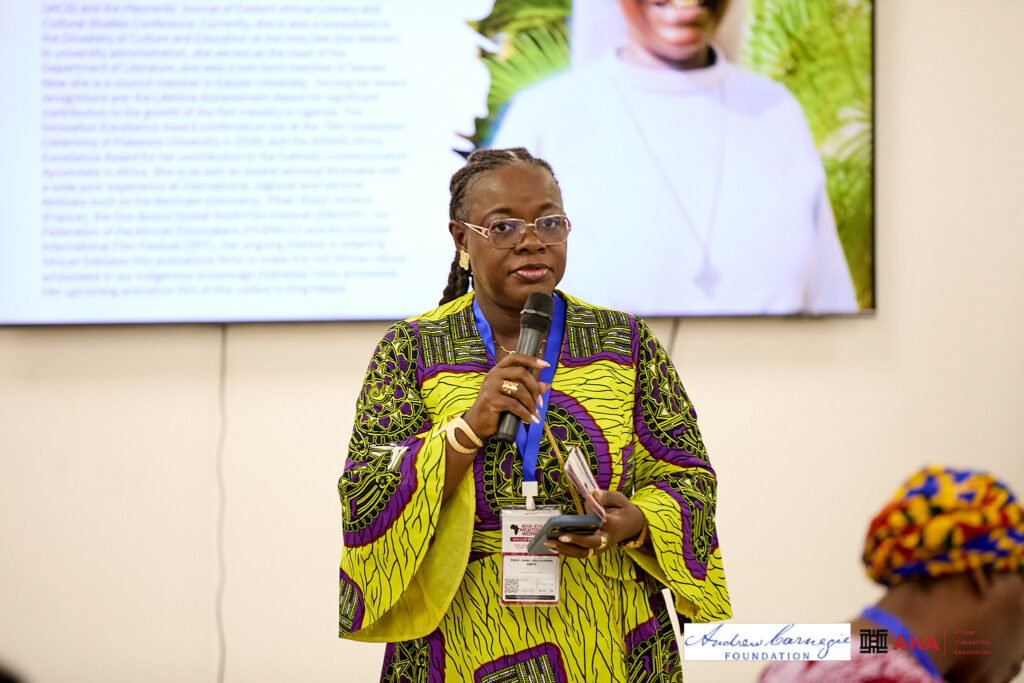
Drawing from her own experiences in academia and university leadership, Prof. Amfo encouraged participants to embrace leadership opportunities without losing their scholarly identity. She emphasised that positions are temporary, but scholarship is enduring, urging participants to continue writing, mentoring, teaching, and building meaningful collaborations throughout their careers.
The workshop featured an outstanding team of facilitators drawn from across the continent, each bringing rich scholarly and leadership experience.
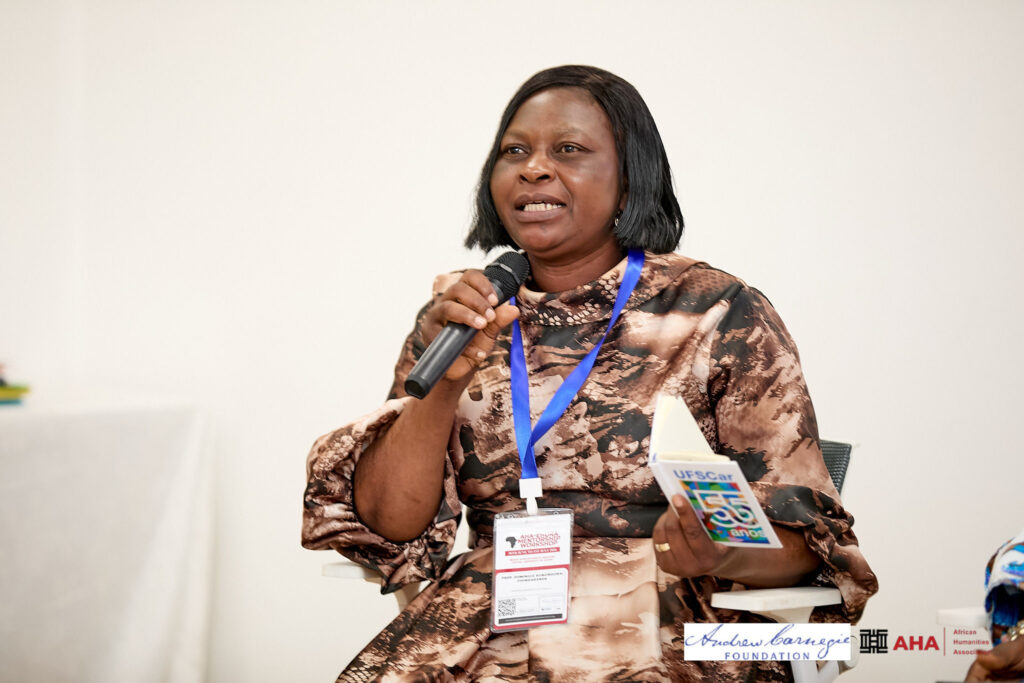
Prof. Sunungurai Dominica Chingarande, Vice-Chancellor of the Women’s University in Africa, Zimbabwe, encouraged participants to develop clearly defined research niches and pursue opportunities for research funding, publication, and international collaboration. She emphasised that sustained academic growth is built through intentionality, consistency, and continuous learning.
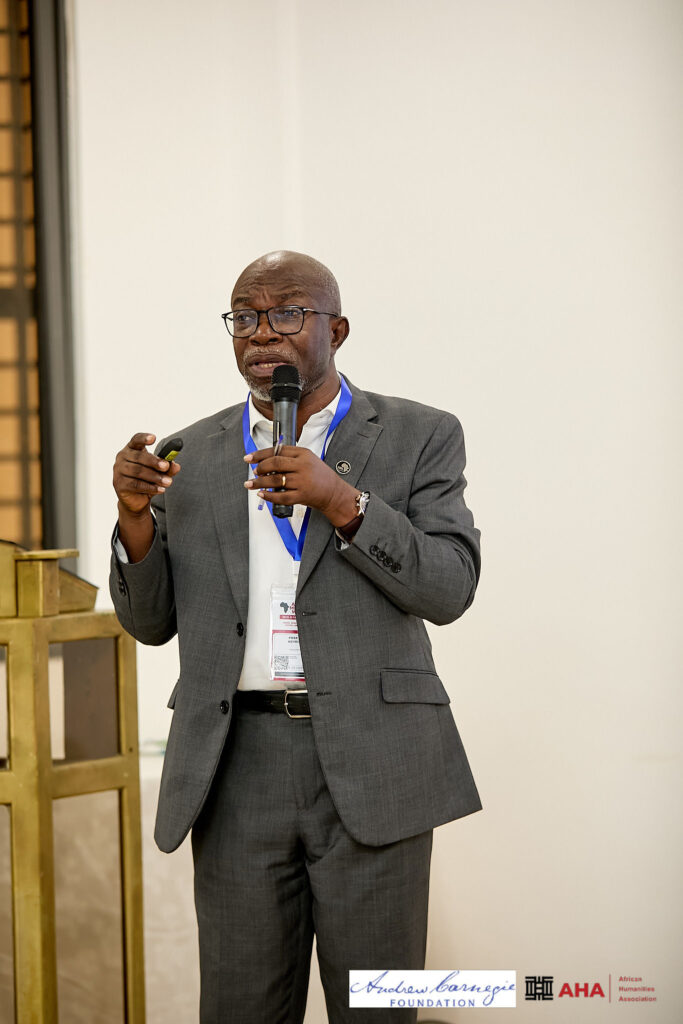
Prof. Samuel Agyei-Mensah, former Provost of the College of Humanities, University of Ghana, guided participants through understanding institutional structures, promotion pathways, and the often-overlooked role of informal institutional influence. He underscored the importance of networking, collaboration, and active engagement within professional associations.
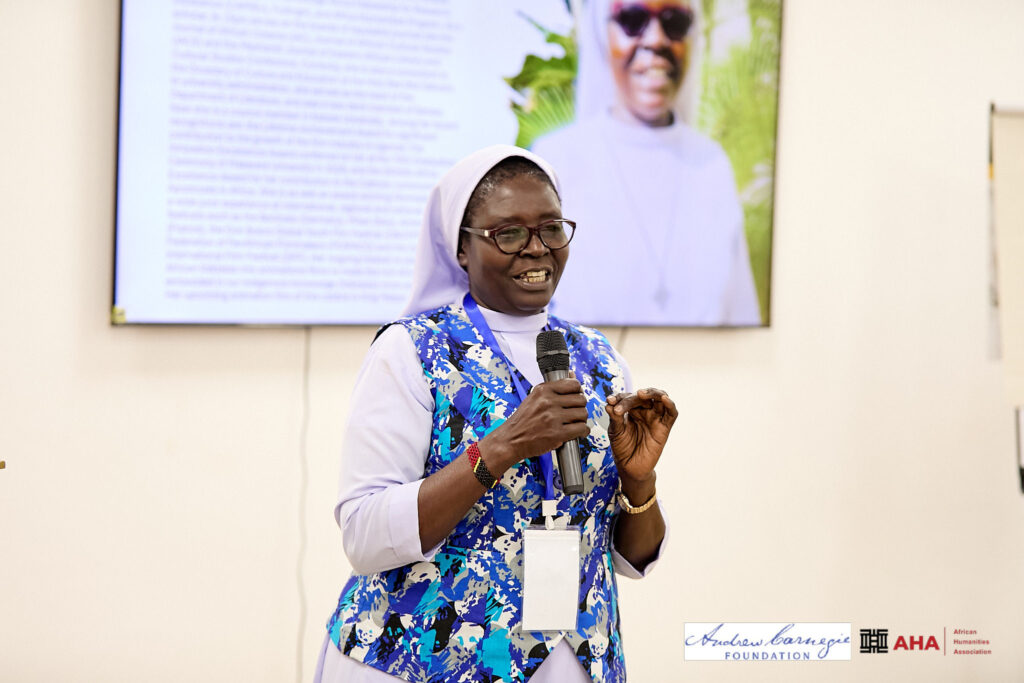
Prof. Sr. Dominica Dipio, Executive Committee Member of the African Humanities Association and Professor at Makerere University, Uganda, facilitated sessions on Writing as Practice, Power and Survival and Teaching Excellence and Pedagogical Leadership. She encouraged participants to view academic writing not merely as a requirement for promotion but as a powerful tool for intellectual influence and scholarly visibility.
Prof. Jemima Asabea Anderson, Project Director and Principal Investigator of the AHA–EHURA Project, led discussions on building strategic mentoring relationships, sponsorship, and scholarly networks that enhance academic visibility and career advancement. She highlighted the importance of intentionally cultivating professional relationships that create opportunities for research collaboration and leadership.
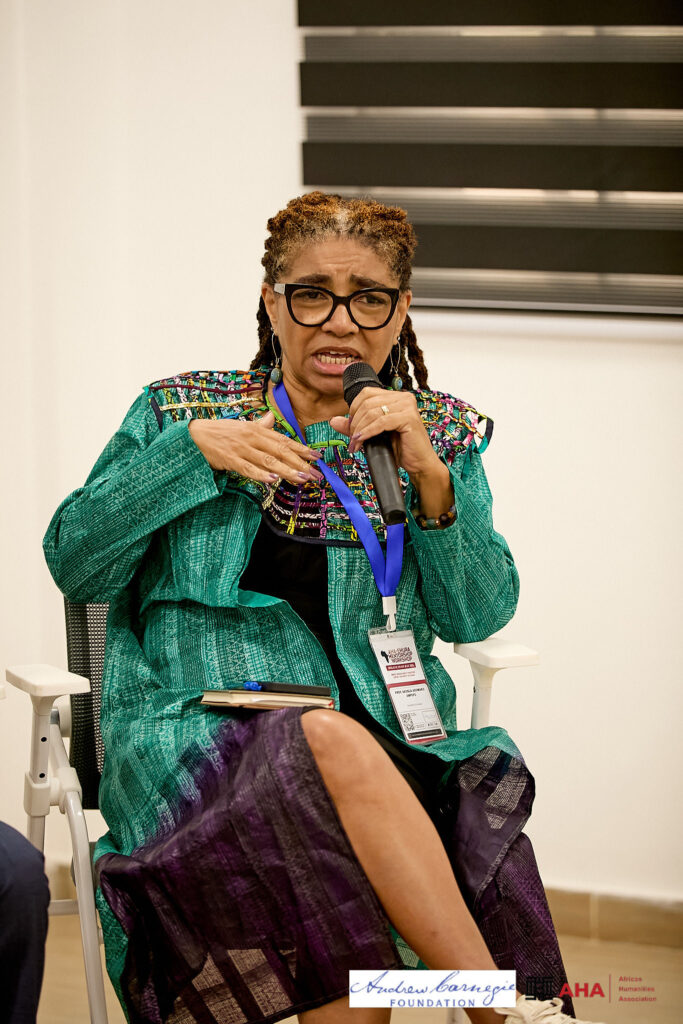
Emerita Prof. Akosua Adomako Ampofo explored the role of public scholarship and societal engagement, encouraging participants to extend the impact of their work beyond academia through policy engagement, public discourse, and community-centred research.
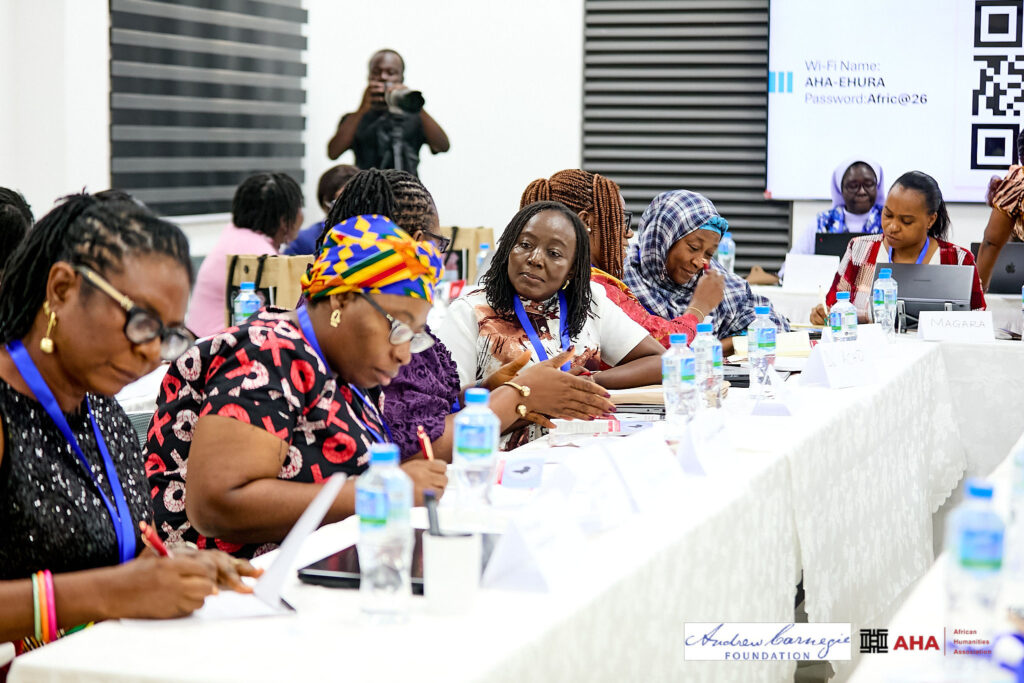
The programme included a panel discussion featuring all facilitators under the theme “Navigating Academic Careers in African Humanities,” providing participants with the opportunity to engage directly with experienced scholars on questions relating to career progression, institutional cultures, research productivity, leadership, mentoring, and work-life balance.
Beyond the formal sessions, the workshop created a vibrant space for networking, peer learning, and the exchange of ideas among scholars from different regions of Africa. Participants described the experience as transformative, highlighting the value of interacting with accomplished mentors while building professional relationships that they intend to sustain beyond the workshop.
The inaugural AHA–EHURA Mentorship Workshop represents an important milestone in the implementation of the EHURA Project and reflects the African Humanities Association’s commitment to nurturing the next generation of African humanities scholars. Through initiatives such as mentorship, fellowships, research residencies, and scholarly exchange, the AHA–EHURA Project continues to strengthen research capacity, foster collaboration, and advance the contribution of the humanities to Africa’s development.
NB: Link to images from the event [https://bigkwamzmultimedia48.pixieset.com/aha/]